Illinois Criminal Records Free gives people a way to get public conviction data from the Illinois Bureau of Identification and local county clerks. The state keeps records going back to the early 1900s. Each county also holds arrest logs that add to the state’s main file. You can ask for these records in person, by mail, or online. The state offers a free online tool called CHIRP. It lets you search by name and date of birth. You’ll get a report with offense details, court dates, and sentences. Only convictions show up. Arrests without convictions are not shared to follow privacy laws.
How to Get Illinois Criminal Records Free
You can request Illinois criminal records at no cost through official state channels. The Illinois Bureau of Identification handles statewide conviction data. County clerk offices keep local arrest logs. To get a free record, visit the Bureau in Springfield. You can also mail a written request. Some counties let you view records online for free. The CHIRP portal is the fastest free option. Enter a full name and exact birth date. The system checks state police, corrections, and court files. Results appear in seconds. Reports list convictions, court names, and sentencing outcomes. Sealed or expunged cases do not appear. This service follows Illinois law 20 ILCS 2635/1.
Using the CHIRP Online Portal
The Criminal History Information Response Process (CHIRP) is Illinois’ official free search tool. Go to the Illinois State Police website. Click the Bureau of Identification section. Choose the CHIRP link. Type the person’s first and last name. Add their exact birth date. The system searches felony and misdemeanor convictions since 1960. Results show offense descriptions, court dates, and final dispositions. You can print or save the report. No payment is needed. The portal updates daily. It does not include arrests that did not lead to convictions. This keeps the record accurate and fair.
Visiting the Bureau of Identification
The Illinois Bureau of Identification is in Springfield. You can walk in and ask for a criminal record. Bring a valid ID and the subject’s full name and birth date. Staff will search the database. You’ll get a printed report on the spot. This service is free. The Bureau only shares conviction data. It does not show arrests without charges. Records go back to 1960 for electronic files. Older paper files may take longer to retrieve. Office hours are Monday to Friday, 8:30 a.m. to 4:30 p.m. The address is 200 West Adams Street, Springfield, IL 62704. Call (217) 782-7724 for questions.
Free Illinois Court Records Online
Illinois court records are public. You can view them for free online. The Illinois Courts website has a search tool. Enter a name, case number, or attorney. The system shows docket entries, motions, and judgments. Each case lists the filing date, judge, and verdict. Some files include witness statements and bail details. Cook County and DuPage County have their own portals. They update nightly. You can download PDFs of court orders. Sealed cases are hidden. The site also has self-help guides for people representing themselves. Contact information for each clerk’s office is listed. This makes it easy to visit in person if needed.
Searching County Court Records
Each Illinois county manages its own court records. Cook County has a large online database. Search by name or case number. Results show criminal charges, arraignment dates, and trial outcomes. DuPage County offers similar access. Smaller counties may have limited online files. For complete records, visit the clerk’s office. Bring a photo ID and the case number if known. Most clerks provide free access to public files. Some charge a small fee for copies. Office hours vary. Check the county website before visiting. This ensures you get the records you need without delay.
Illinois State Criminal Records for a Fee
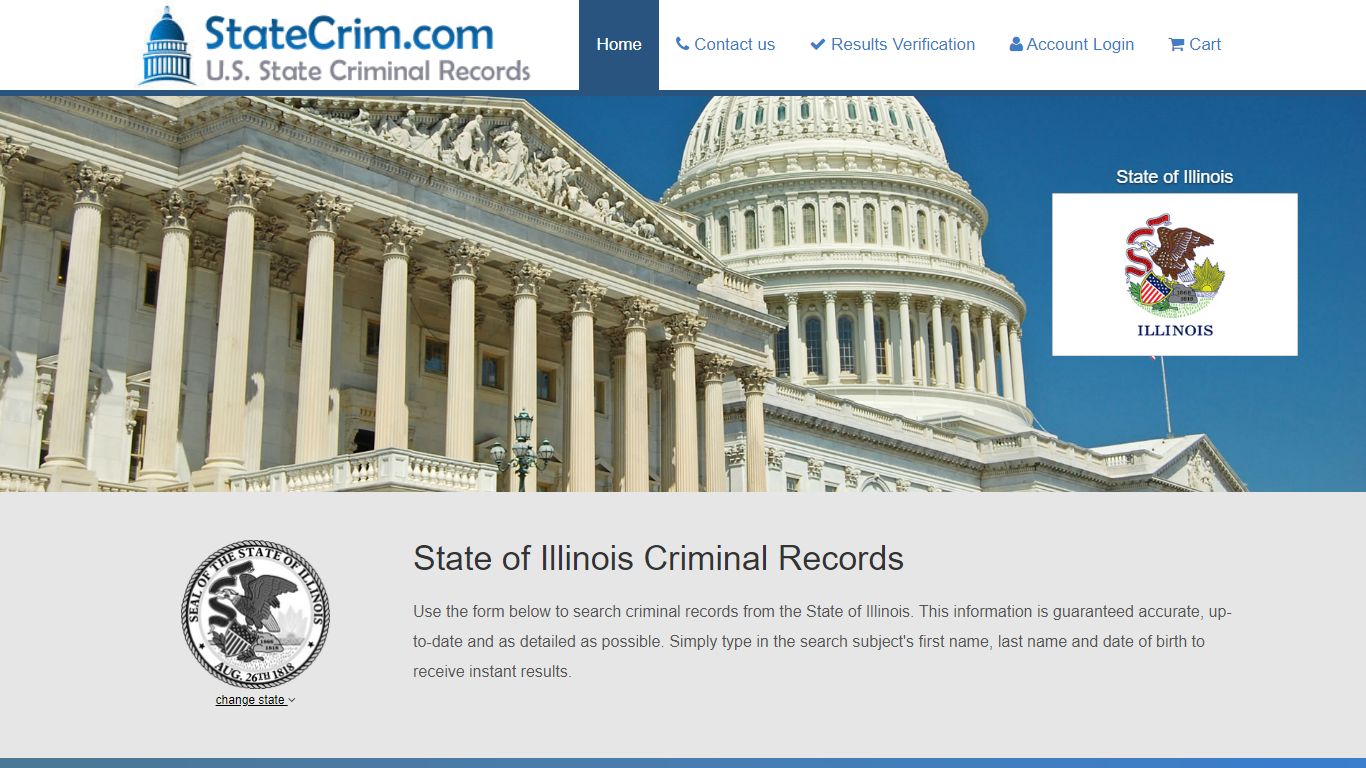
Some services offer faster or more detailed reports for a fee. StateCrim is one option. It charges $14.95 per search. You enter the person’s full legal name, birth date, and middle initial. The system checks Illinois State Police, Department of Corrections, and Cook County Circuit Court files. Results include conviction dates, statutory codes, arresting agencies, and sentencing details. Reports are ready within 24 hours. The fee covers processing and verification. This service is not free but provides a certified record. It is useful for employers or landlords who need official documents.
What Paid Services Include
Paid criminal record services give more details than free searches. They list every conviction with exact dates and court names. You’ll see the offense code, sentence length, and parole terms. Some show fines and restitution orders. The report also notes if rights were restored or sentences reduced. These services update daily. They exclude sealed or expunged cases. The $14.95 fee is flat. No hidden costs. You get a PDF you can print or email. This is helpful for background checks or legal reviews. Always verify the site is official to avoid scams.
Free Background Checks in Illinois
Free background checks in Illinois use public data from jails, courts, and state agencies. Arrests.us compiles jail rosters, inmate locators, and federal court files. Search by name to see current incarceration status, facility name, and release date. Historical data includes booking photos, charges, bond amounts, and case outcomes. The site links to the Federal Bureau of Prisons for federal offenses. This lets you check national records. Free checks do not include sealed cases. They are good for personal use but not for employment. Always double-check with official sources for accuracy.
Limitations of Free Background Checks
Free background checks have limits. They may miss recent arrests or closed cases. Data can be outdated or incomplete. Some sites show arrests without convictions. This can be misleading. Official state records only list convictions. Free tools are helpful for quick checks. But they are not reliable for hiring or legal decisions. Use them to start your search. Then confirm with the Illinois Bureau of Identification or county clerk. This ensures you get the most accurate and up-to-date information.
Understanding Illinois Criminal Record Laws
Illinois law controls who can see criminal records. Public Act 20 ILCS 2635/1 says only conviction data is public. Arrests without charges are not shared. Sealed or expunged records are hidden. This protects privacy. The law applies to all state and local agencies. It ensures fair treatment for people with past mistakes. Employers and landlords can ask for records. But they must follow state rules. They cannot discriminate based on old or minor offenses. The law also allows people to request their own records. This helps them check for errors or apply for jobs.
Expungement and Sealing in Illinois
Expungement removes records from public view. Sealing hides them but keeps them for law enforcement. In Illinois, you can apply to seal or expunge certain offenses. Misdemeanors and some felonies qualify. Juvenile records are often sealed automatically. The process starts with a petition to the court. You must wait a set time after your case ends. If approved, the record is no longer public. This helps with jobs, housing, and licenses. Free online searches will not show sealed or expunged cases. Only authorized agencies can access them.
Where to Find Official Illinois Criminal Records
Official Illinois criminal records come from state and county sources. The Illinois Bureau of Identification is the main state agency. It holds conviction data since 1960. County clerks keep local arrest logs. The Illinois Courts website has case files. Cook County and DuPage County have online portals. For free access, use CHIRP or visit a clerk’s office. For faster service, pay for a verified report. Always use official sites. Avoid third-party services that charge high fees. They often repackage public data. Stick to .gov websites for trust and accuracy.
Official Websites and Contact Info
Use these official sites for Illinois criminal records:
– Illinois Bureau of Identification: https://isp.illinois.gov/BureauOfIdentification/CriminalHistory
– Illinois Courts: https://www.illinoiscourts.gov/
– Cook County Circuit Court: https://www.cookcountycourt.com/
– DuPage County Clerk: https://www.dupageco.org/circuitcourt/
For in-person visits, go to the Bureau in Springfield. Address: 200 West Adams Street, Springfield, IL 62704. Phone: (217) 782-7724. Hours: Monday to Friday, 8:30 a.m. to 4:30 p.m. County offices have different hours. Check their websites before visiting.
Common Questions About Illinois Criminal Records
People often ask how to get free records, what shows up, and how long it takes. Free searches use CHIRP or county portals. Results appear in seconds. Paid reports take up to 24 hours. Only convictions are public. Arrests without charges are not shared. Sealed cases are hidden. Records go back to 1960 for electronic files. Older files may be on paper. You need a full name and birth date to search. Middle initials help accuracy. Reports list court names, dates, and sentences. They do not include fines or jail time unless noted. Always verify with official sources.
How Long Do Records Stay Public?
Conviction records stay public forever unless sealed or expunged. Illinois does not automatically remove old records. You must apply to seal or expunge them. Some offenses qualify after a waiting period. Misdemeanors may be sealed after three years. Felonies take longer. Juvenile records are often sealed at 18. Once sealed, they do not appear in free searches. Only law enforcement can access them. This helps people move forward after mistakes. Keep records updated to avoid confusion.
Tips for Accurate Criminal Record Searches
To get accurate results, use the person’s full legal name. Include middle initial if known. Enter the exact birth date. Avoid nicknames or shortened names. Check spelling carefully. Use official state tools like CHIRP. Avoid third-party sites that charge high fees. They often have old or incorrect data. If you find errors, contact the Bureau of Identification. You can request a correction. Keep copies of your reports. Update them every year if needed. This ensures you have the latest info for jobs, housing, or legal needs.
Avoiding Scams and Fake Sites
Many sites claim to offer free Illinois criminal records. Most charge high fees or sell your data. Stick to .gov websites. Look for “Illinois State Police” or “Illinois Courts” in the URL. Avoid sites with pop-ups or urgent messages. They are often scams. Official sites do not ask for credit card info for free searches. If a site charges for basic records, it is not the state. Use CHIRP or county portals for free access. Report fake sites to the Illinois Attorney General.
Using Criminal Records Responsibly
Criminal records are public, but they must be used fairly. Employers cannot discriminate based on old or minor offenses. Landlords must follow fair housing laws. Do not share records without permission. Respect privacy. Use records only for legal purposes like background checks. Do not post them online or use them to harass others. Illinois law protects people from unfair treatment. If you see misuse, report it to the Illinois Department of Human Rights. Use records to make informed decisions, not to judge.
Employment and Housing Rights
Employers in Illinois can ask about criminal history. But they must follow the Illinois Job Opportunities for Qualified Applicants Act. They cannot reject someone just for a past conviction. They must consider the job, time passed, and rehabilitation. Landlords can check records but must follow fair housing rules. They cannot deny housing based on race, religion, or disability. Some convictions may affect housing, but not all. Always give people a chance to explain. Use records to assess risk, not to exclude.
Related Search Terms and Resources
People also search for Harris County District Court Records and Palm Beach County Public Court Records. These are out-of-state resources. For Illinois, focus on state and county tools. Use “Illinois criminal records free,” “CHIRP search,” or “Illinois court records online.” These terms lead to official sites. Avoid generic phrases like “background check” or “public records.” They often go to paid services. Stick to specific Illinois keywords for better results. This saves time and money.
Final Tips for Getting Illinois Criminal Records Free
Start with the free CHIRP portal. Enter the full name and birth date. Check the results. If you need more details, visit a county clerk’s office. For certified reports, use StateCrim for $14.95. Always verify with official sources. Avoid third-party sites. Keep records private and use them responsibly. Update your searches yearly. This ensures you have the most current and accurate information. Illinois makes it easy to access public records. Use the right tools to get them fast and free.
Frequently Asked Questions
Many people have questions about Illinois criminal records. Below are common ones with clear answers. These help you understand your rights and how to get records safely and legally.
Can I get Illinois criminal records for free?
Yes, you can get Illinois criminal records for free. Use the CHIRP portal on the Illinois State Police website. Enter a full name and exact birth date. The system shows conviction data from 1960 to today. You can also visit the Bureau of Identification in Springfield or a county clerk’s office. These services do not charge fees. Only convictions appear. Arrests without charges are not shared. Sealed cases are hidden. Free searches are fast and reliable. Avoid paid sites that repackage public data. Stick to official .gov sources for trust and accuracy.
What information shows up in a free Illinois criminal record search?
A free Illinois criminal record search shows conviction details only. This includes the offense description, court name, conviction date, and sentencing outcome. It lists the arresting agency and final disposition. It does not show arrests that did not lead to charges. Fines, jail time, or parole terms may appear if recorded. The report excludes sealed or expunged cases. Data comes from the Illinois State Police, Department of Corrections, and county courts. Results update daily. You need the person’s full legal name and exact birth date. Middle initials help accuracy. The report is printable and can be used for personal review.
How long does it take to get Illinois criminal records?
Free online searches through CHIRP give instant results. Enter the name and birth date, and the report appears in seconds. In-person requests at the Bureau of Identification take about 10 minutes. Mailed requests can take up to ten business days. Paid services like StateCrim process requests within 24 hours. They send a PDF by email. County clerk offices may take longer if files are on paper. For urgent needs, use the online portal. It is the fastest and most reliable method. Always allow extra time if you need certified copies for legal use.
Are sealed or expunged records visible in free searches?
No, sealed or expunged records do not appear in free searches. Illinois law hides these cases from public view. Only authorized agencies like law enforcement can access them. If a record is sealed, it will not show up on CHIRP or county portals. You can apply to seal or expunge certain offenses. Misdemeanors may qualify after three years. Felonies take longer. Juvenile records are often sealed automatically. Once sealed, the record is removed from public databases. This helps people rebuild their lives. Always check with the court if you believe a record should be hidden.
Can employers use Illinois criminal records for hiring?
Yes, employers can use Illinois criminal records for hiring, but they must follow state laws. They cannot reject someone just for a past conviction. They must consider the job duties, time passed, and evidence of rehabilitation. The Illinois Job Opportunities for Qualified Applicants Act limits how records are used. Employers must give applicants a chance to explain. They cannot ask about arrests without charges. They must keep records private. Discrimination based on race, religion, or disability is illegal. Use records to assess risk, not to exclude. Always follow fair hiring practices.
Where is the Illinois Bureau of Identification located?
The Illinois Bureau of Identification is in Springfield. The address is 200 West Adams Street, Springfield, IL 62704. Office hours are Monday to Friday, 8:30 a.m. to 4:30 p.m. You can walk in and request a criminal record. Bring a valid ID and the subject’s full name and birth date. Staff will search the database and give you a printed report. This service is free. The Bureau only shares conviction data. It does not show arrests without charges. For questions, call (217) 782-7724. Visit during business hours for the fastest service.
How do I correct an error on my Illinois criminal record?
If you find an error on your Illinois criminal record, contact the Bureau of Identification. Call (217) 782-7724 or visit in person. Bring proof of the mistake, like a court order or dismissal document. Staff will review your case and update the record if needed. You can also mail a written request with copies of supporting papers. The Bureau aims to correct errors quickly. Keep copies of all documents. If the error affects your job or housing, explain the situation to the employer or landlord. Accurate records help you move forward.
 https://illinois.staterecords.org/criminal.php
  http://illinois.statecrim.com/ https://www.searchquarry.com/illinois-court-records/ https://illinois-criminal-records-search.recordsfindhj.com/ https://arrests.us/illinois/ https://isp.illinois.gov/BureauOfIdentification/CriminalHistory https://www.illinoiscourts.gov/ https://illinois-criminal-records-online.recordslookupvg.com/ https://illinois-criminal-court-records.recordslookupvg.com/ https://illinois-public-criminal-records.recordslookupvg.com/ Harris County District Court Records Palm Beach County Public Court Records